What a warning sign looks like in Denver
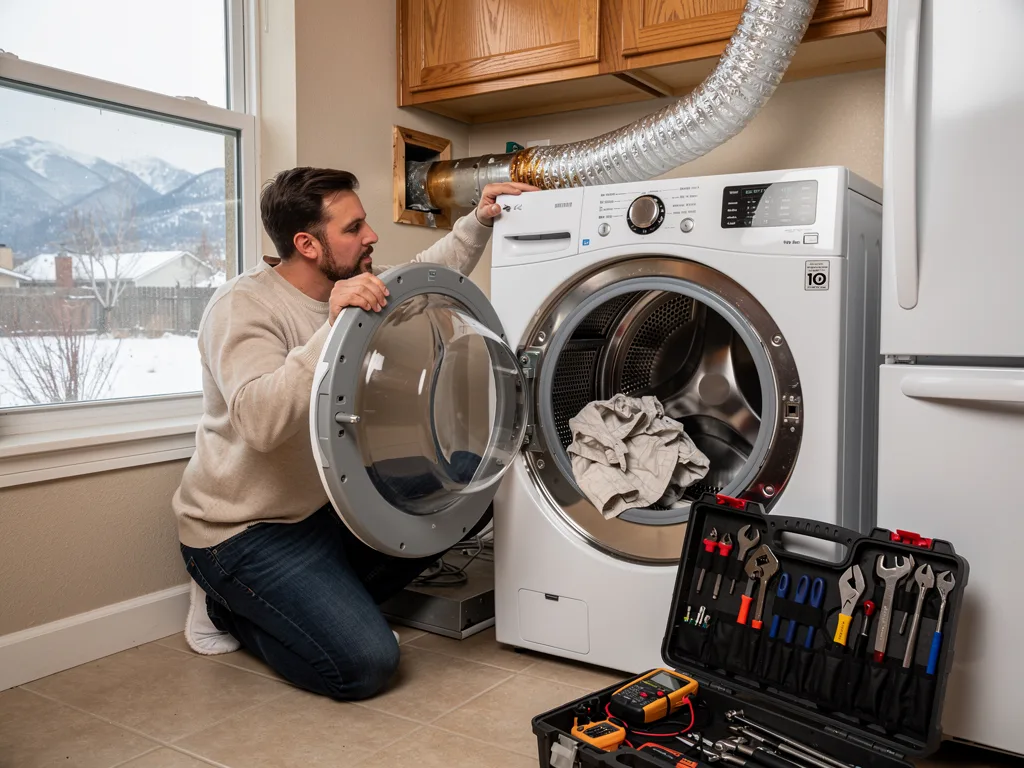
Living in Denver means dealing with dry air, cold snaps, and the daily rhythm of family laundry. A washer that makes banging sounds, stops mid-cycle, or leaks a thin stream of water is more than a nuisance. It’s a heads up that components like the drum spider, bearings, or hoses may be wearing out. If you hear grinding, feel a shudder at spin, or notice clothes won’t drain properly, that’s your cue to pause and evaluate instead of running the machine until something breaks.
Denver’s water quality and mineral content can affect parts over time. Hard water can lead to mineral buildup that wears seals and valve seats. The combination of a busy household and older hardware increases the odds you’ll encounter a surprise at 7 p.m. on a Tuesday. Paying attention to the early indicators keeps you from a sudden, costly repair later.
Practical indicators you can’t ignore
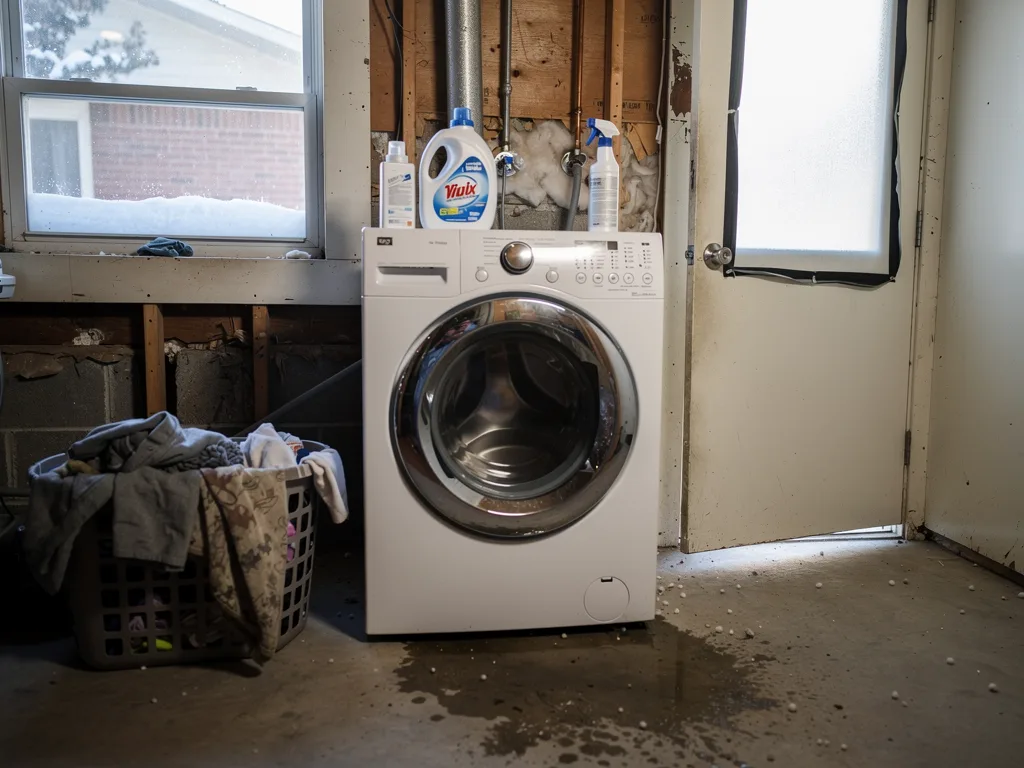
Two common signals show up in most Denver homes. First, an unusual grinding or squealing sound during the wash or spin cycle. That can mean worn bearings or a failing drum support. Second, a leak that isn’t just a spill from loading clothes. Puddling around the base or a damp floor near the washer often points to hose or inlet valve issues. If you notice either, don’t ignore it; shut the machine off and call for a diagnostic check.
Another practical sign is a cycle that ends early or takes twice as long to finish. That can indicate a water inlet valve problem or a pressure switch malfunction. These are small parts that can cause a big headache if left untreated. A quick inspection can prevent a flood or a ruined load of laundry.
What to do next in a practical, Denver-friendly way
Begin with a simple reset. Unplug the machine for a minute, then plug it back in. If the issue persists, check nearby hoses for kinks and ensure the water supply valves are fully open. Note the exact cycle and error codes if your model displays them. Having this information ready when you call a pro speeds up the diagnosis.
If the problem seems limited to a single cycle, you may be dealing with a failed belt or a worn motor coupling in older models. Modern machines have electronic error messages that point you to the likely culprit. In Denver, the cost of replacement parts can vary with supply, but addressing the issue early saves money in the long run.
When to call Denver Appliance Fix
If you hear grinding, see leaks, or the drum won’t tumble, it’s time for a professional check. Denver Appliance Fix offers clear, practical guidance and a focused diagnostic for laundry equipment. We’ll verify the water inlet, hoses, and internal components, and explain what needs attention in plain terms. No hype, just honest options for moving forward.